
The Science of
At Osaka Metric Labs, we do not settle for visibility. We demand proof. Our laboratory standards define the boundary between raw market numbers and actionable analytics, moving beyond surface-level observations to reach mathematical truth.

Phase-Gate Verification Hierarchy
We treat data as a physical material. Before any metric enters a client report, it must pass through four distinct layers of scrubbing, normalization, and stress-testing.
Source Integrity Scrubbing
Initial ingestion involves the removal of redundant signaling and outlier bias. We filter noise at the source level to ensure that the foundation of our market analytics remains untainted by bot activity or non-representative anomalies.
Harmonized Metric Alignment
Data from fragmented sources is re-aligned into a single unified schema. This process prevents the common pitfall of comparing non-equivalent variables, ensuring that performance metrics across different regions or platforms are mathematically comparable.
Double-Blind Verification
Every significant insight is verified by two independent algorithmic models. If the variance between the two models exceeds a 0.02% threshold, the data set is flagged for manual oversight by a senior laboratory technician.
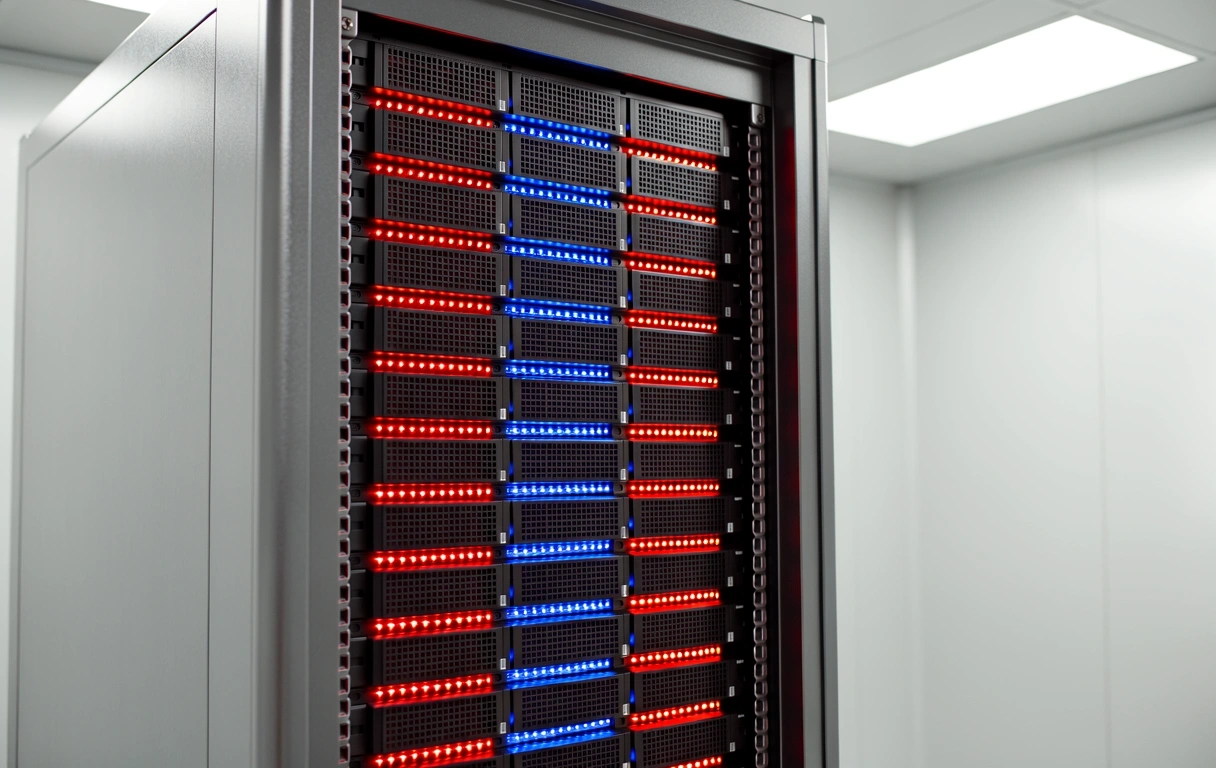
Infrastructure Built for
Hard Verification
Precision requires more than just smart software; it requires dedicated physical infrastructure. Our Osaka-based laboratory center operates independent server clusters specifically designed for high-concurrency market simulations.
-
Redundant Calculation Nodes Mitigating hardware-induced calculation errors across the stack.
-
Zero-Latency Data Bridges Real-time market feeds analyzed without the degradation of lag.
Institutional Quality Control
The Lab Manual
Data Provenance
We document the origin of every byte used in our analytics reports. This lineage tracking allows clients to audit the reliability of their insights back to the original source incident.
Statistical Rigor
Standard deviation is not a suggestion; it is a law. We apply p-value testing to every strategic recommendation to ensure that suggested outcomes are not the result of chance.
Bias Mitigation
Algorithmic bias is a primary threat to market accuracy. Our laboratory protocols include quarterly stress-tests to identify and eliminate cognitive or historical bias in our models.
Prerequisites for Precision
Establishing world-class analytics requires specific environmental conditions. Our laboratory standards are not just internal; they extend to how we integrate with client systems.
Laboratory Note:
"A single corrupted node in the ingestion phase can skew a 12-month projection by as much as 14.2%."
A Logical Synchronicity
Client APIs must support high-granularity polling to capture the micro-fluctuations necessary for deep-trend analysis.
B Historical Depth
A minimum of 24 months of validated historical data is preferred to establish a baseline that accounts for seasonal volatility.
C Cross-Department Access
True analytics require silo-free data access. We require transparency across marketing, finance, and operations for total oversight.
D Strategic Alignment
Metrics are useless without aim. We define key performance markers in collaboration with your executive leadership before the first lab test.
Ready for Audit-Grade Accuracy?
Speak with a senior laboratory analyst about implementing our verification standards within your existing market strategy.